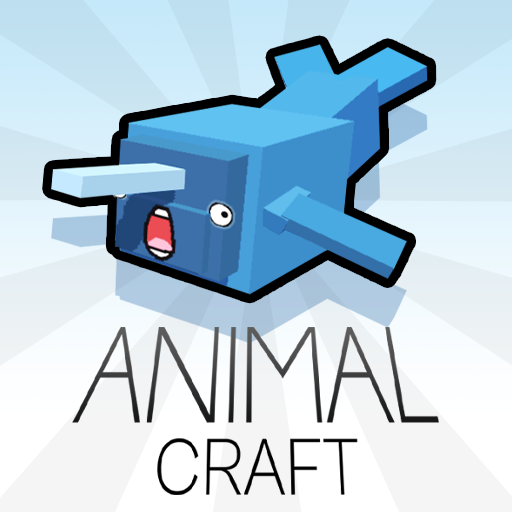
What Is Animal Craft?
Animal Craft is a fusion survival game — combine two different animals to create a bizarre hybrid, then explore the world, battle enemies, and survive. Each new hybrid has unique abilities and stat profiles.
How to Play
Select two animals from your inventory and fuse them at the crafting table. Your hybrid spawns into the world ready to fight. Explore biomes, collect resources to fund more fusions, and defeat increasingly tough enemies to unlock rarer animal types.
Controls
- WASD / Arrow Keys — move
- Left Click — attack
- E — interact / craft
Tips
Experiment freely — unusual combinations often produce hybrid stats that counter specific enemy types. Prioritise mobility fusions early so you can escape danger while learning the map.
Fusion and Crafting System
The heart of Animal Craft is the crafting table. Every animal has a stat profile covering health, attack, speed, and a unique special ability. When you fuse two animals, the resulting hybrid inherits some of each parent's stats — but the combination rules aren't strictly averaged. Some hybrid pairings produce a powerful off-stat like a turtle-scorpion that pairs the turtle's defense with the scorpion's poison-damage passive. Players who discover these edge-case hybrids have a major advantage in later biomes.
Resources are scattered across the world map. Logs come from forests, stone from rocky zones, and rare gems from deep caves or volcanic biomes. Each resource type funds specific upgrade tracks. Wood and stone pay for basic stat upgrades, while gems unlock the rarest creature fusions at the upper tier.
Combat Tactics
Match elements to enemies. Each enemy type has a damage affinity — fire enemies take bonus damage from water hybrids, and so on. Reading these affinities is the difference between dying at wave 10 and clearing wave 25.
Mobility first. A fast hybrid can dodge most attacks. Even if its raw damage is lower than a slow bruiser, surviving long enough to land hits matters more than stat totals.
Save resources for boss biomes. Don't blow all your rare gems on mid-tier upgrades before you've cleared at least one boss biome. Boss drops often include unique fusion ingredients that you can't get any other way.
Retry low-cost fusions. Since there's no resource loss on failed fusions, experiment freely. The best hybrids often come from unexpected combinations.
FAQ
- Q: Is Animal Craft free?
- A: Fully free with no microtransactions on Poki2.
- Q: How many animal types exist?
- A: The base game includes 12 base animals yielding 60+ unique hybrids. Boss drops unlock two more rare types in late-game biomes.
- Q: Do hybrid stats stack with parent upgrades?
- A: Yes. A hybrid created from two upgraded parents inherits the upgraded stats, so it pays to invest in parents before fusing critical combinations.
- Q: Can I reset my upgrades?
- A: Some saves allow a one-time reset for re-distribution, but it's usually expensive. Plan your first distribution carefully.
Similar Survival Games
- Blocky Hunter — voxel-style first-person survival shooter
- Astro Tycoon — idle resource management
Combat and Survival Tips
Animal Craft rewards early aggression — the longer you wait, the more aggressive the evolved predators become. Move out within the first two minutes and start fusing creatures in combat zones. Each successful fusion boosts both HP and damage, so even a brief skirmish yields compounding returns on your survivability.
Build a small team rather than focusing on one overpowered creature. Three mid-tier animals outperform a single boss-tier animal in most situations because they can flank enemies and absorb damage separately. Reserve one slot for a long-range or support-type animal that can engage from range while your melee animals tank hits close-up. Don't chase every rare fusion — most fights are won by volume and positioning, not by cornering a single legendary creature. Stay near your base when you're low on HP; the respawn zone is the safest retreat and prevents you from being caught out in the open with no escape path back to your healers.
Extra FAQ
- Q: Can I name my fusions?
- A: Some versions let you name custom hybrids. The Poki2 build uses auto-generated names based on parent species.
- Q: How big can my team grow?
- A: Up to 6 simultaneous animal companions. Larger teams split XP, so the sweet spot is usually 3–4 focused animals.
 Arcade Volley
 Ball Orbit
 Billiards Master
 Bricky Break